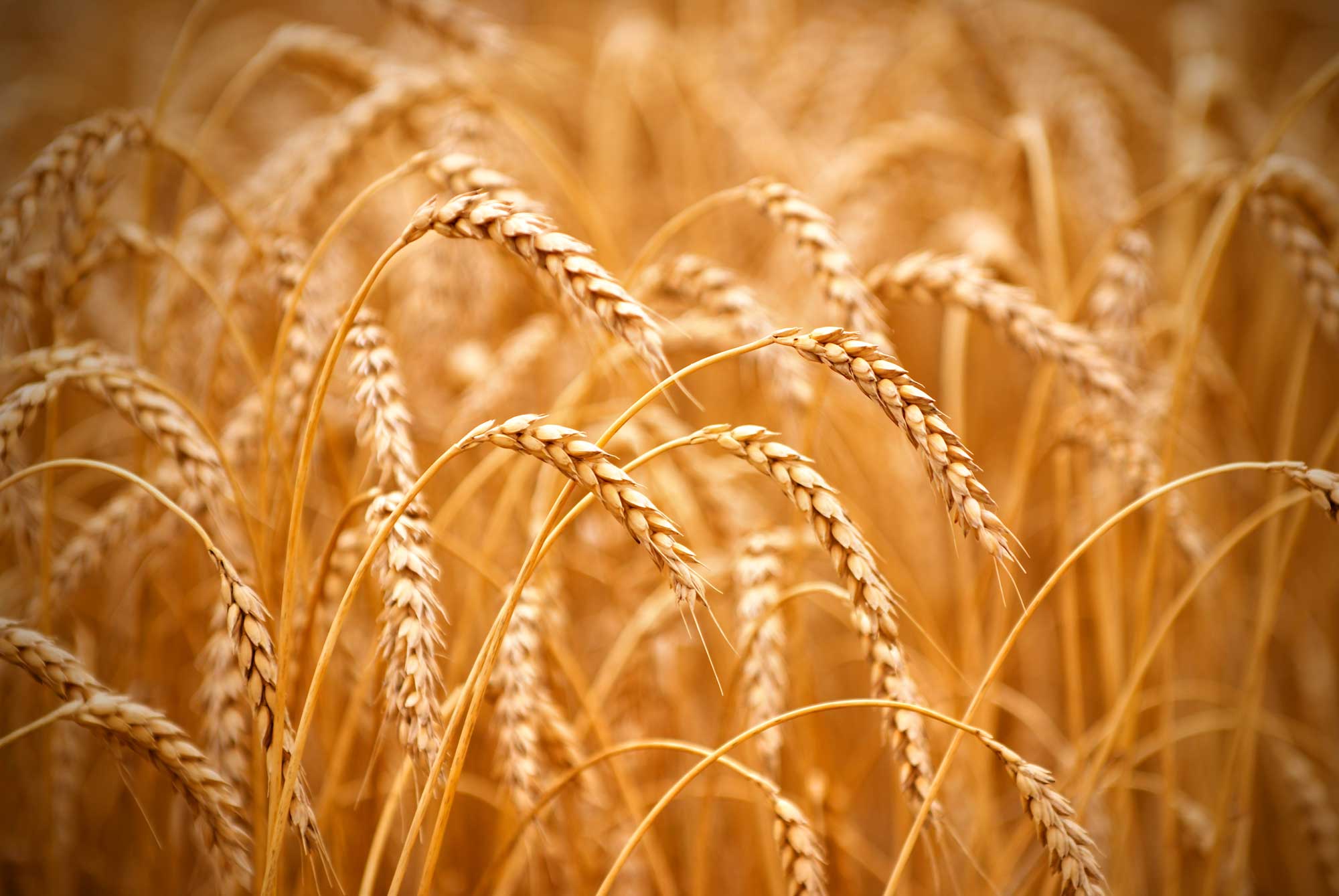
Wheat
Wheat is considered the second oldest cultivated grain after barley, with origins dating back approximately 10,000 years. There are more than 5,000 different varieties of wheat worldwide, and it is grown on approximately 220 million hectares of land globally.
Uses of Wheat
Wheat is both a staple food source and an essential raw material for various industries.
1. Use in the Food Industry
Wheat is the most widely consumed grain in kitchens and serves as the primary raw material for flour production.
✔ Bread production → The main ingredient of bread, a staple food
✔ Pasta and semolina production → Typically made from durum wheat
✔ Bulgur production → A staple grain product in many traditional cuisines
✔ Baked goods (biscuits, cakes, bagels, savory pastries, etc.) → Widely used in the bakery and pastry industry
2. Use in Animal Husbandry
Wheat is also used as animal feed. Its straw and bran are especially valuable in the nutrition of cattle and small livestock.
✔ Wheat straw is used as feed for cattle and small ruminants
✔ Wheat bran is used in the feed industry as a protein supplement
✔ Wheat grains are a nutritious component in compound feed production
3. Industrial Use and By-products
Wheat is also used as a raw material in the production of many industrial products.
✔ Starch and glucose syrup production → Used as a sweetener in the food industry
✔ Beer and alcoholic beverage industry → Especially used in malt production
✔ Paper and bioplastic production → Valued as a renewable resource in industrial applications
Nutritional Value and Health Benefits of Wheat
Wheat is a nutritious grain thanks to its high carbohydrate and protein content.
✔ It is a source of complex carbohydrates and provides long-lasting energy
✔ Its high fiber content supports digestive health
✔ Rich in B vitamins, which are beneficial for the nervous system
✔ Contains antioxidants and supports the immune system
Whole wheat products offer a healthier dietary option compared to refined flours and may help reduce the risk of diabetes and heart disease.