LNG
What is LNG?
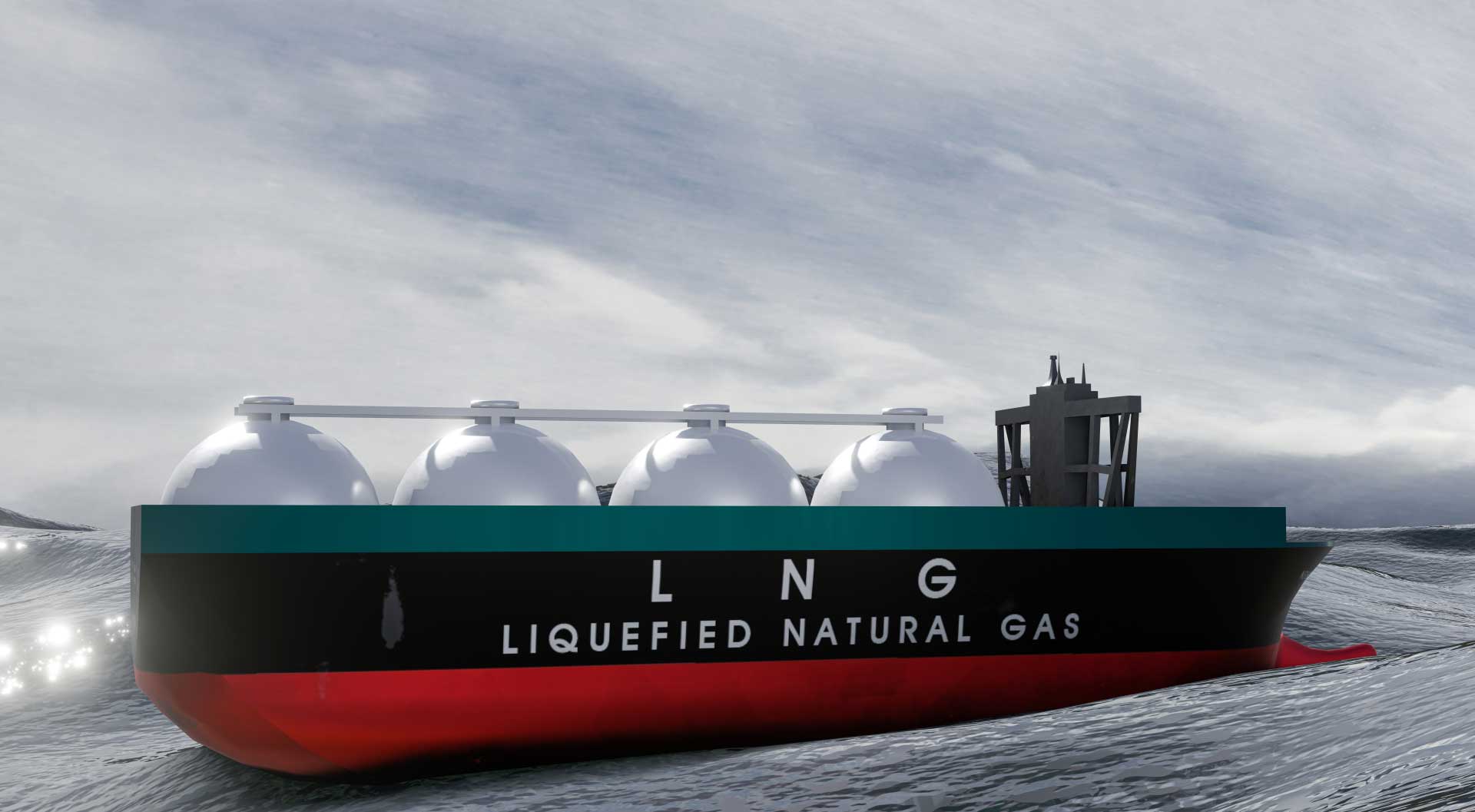
LNG stands for Liquefied Natural Gas. It is the liquid form of natural gas, produced by cooling natural gas to approximately -162°C at atmospheric pressure, which condenses it from a gas to a liquid state.
Key Characteristics of LNG
✔ Odorless, colorless, and non-toxic fuel
✔ When liquefied, its volume is reduced by about 600 times, making transportation and storage much more efficient
✔ During the liquefaction process, heavy hydrocarbons are removed, making LNG cleaner and with a higher energy value than pipeline natural gas
✔ Before being used, LNG is converted from liquid to gas using vaporization (regasification) systems
Advantages of LNG
🔹 Environmentally Friendly: Natural gas helps reduce air pollution and contributes to a cleaner and healthier environment
🔹 Cost-Effective: Lowers maintenance costs and improves production quality
🔹 Advantages of LNG Over Fuel Oil:
Fuel oil requires additional heating costs, while LNG does not
Fuel oil tankers may experience 2–3% fuel loss
If different substances (e.g., wax, marble powder) are added to the tanker before delivery, the fuel’s density may change, affecting its quality
Areas of LNG Use
LNG can be supplied via tankers to consumers who do not have access to the natural gas pipeline. It is widely used for industrial production and heating purposes.
📌 Industrial and Production Use:
✔ Asphalt Plants
✔ Chemical Plants
✔ Construction Material Manufacturers
✔ Metal Industry Enterprises
✔ Food Industry Facilities
✔ Mining Operations
✔ Other Industrial Facilities
📌 Heating and Facility Use:
✔ Hotels
✔ Greenhouses
✔ Social Facilities
LNG is a clean, efficient, and economical energy solution for various sectors and facilities!