Petroleum Jelly
Petroleum Jelly in the Petrochemical Industry: Applications and Advantages
The petrochemical industry is one of the most vital components of modern industrial development. Supplying raw materials across a wide range of sectors—from plastics to detergents, cosmetics to pharmaceuticals—it plays a critical role in daily life. Among its key products is petroleum jelly, which holds strategic value in multiple applications. This article explores what petroleum jelly is, how it is produced, its uses, and its advantages.
What is Petroleum Jelly and How Is It Produced?
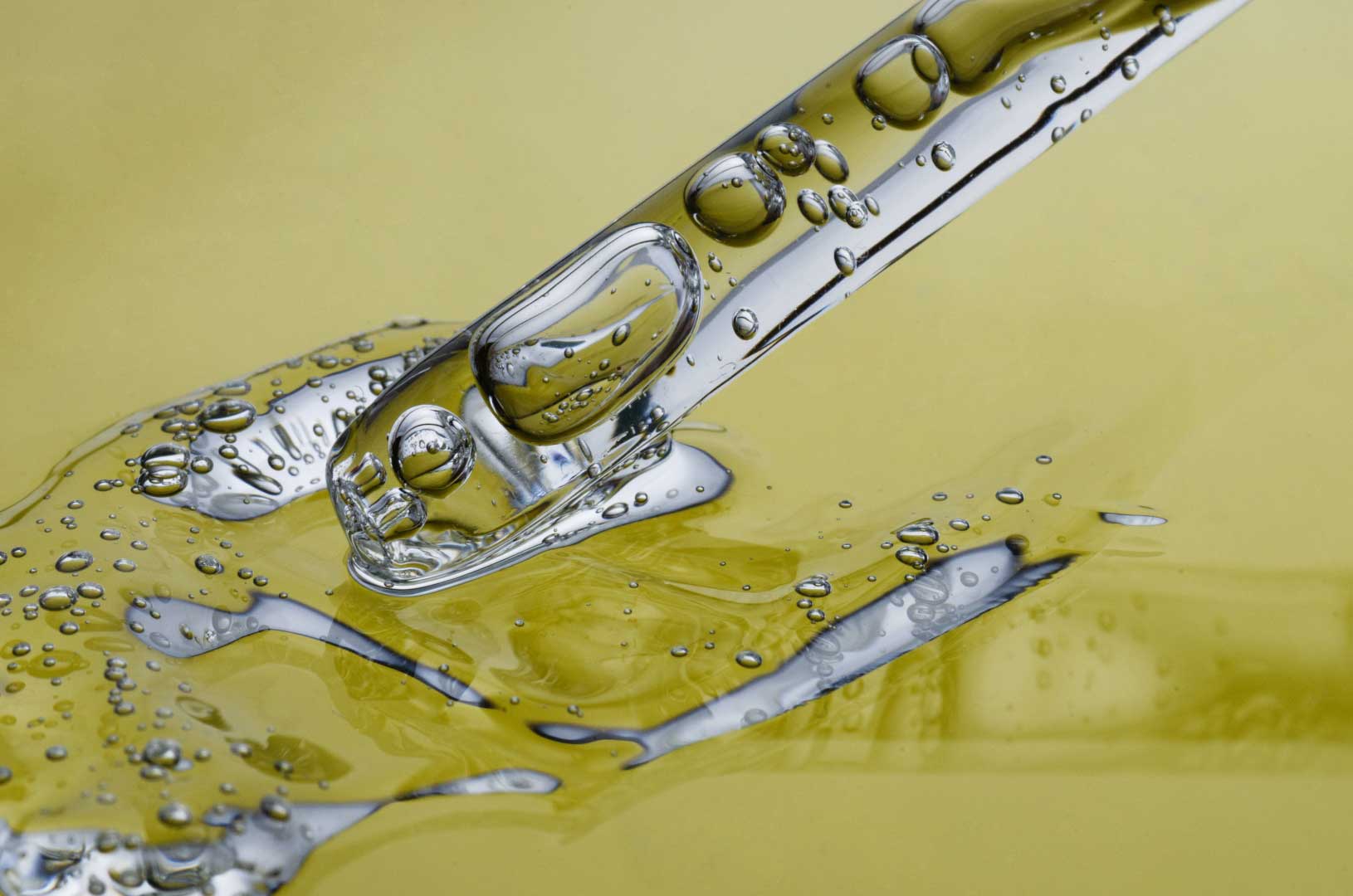
Petroleum jelly is a semi-transparent, soft, and odorless substance derived as a by-product of the petroleum refining process. Chemically composed of hydrocarbon compounds, it is known for its waterproof properties and its ability to lock in moisture.
Production process:
Crude oil refining
Purification of the petroleum jelly fraction
Deodorization and decolorization
Packaging and commercial distribution
The result is a high-purity petroleum jelly, suitable for cosmetic and pharmaceutical-grade applications.
Common Applications of Petroleum Jelly
Petroleum jelly has a wide range of industrial and consumer applications. Below are some of the most common uses:
Cosmetics & Personal Care:
✔ Moisturizers and lip balms
✔ Baby care products
✔ Makeup removersPharmaceuticals:
✔ Topical ointments and healing salves
✔ Skin protection for minor cuts and burns
✔ Barrier creams in medical settingsIndustrial Applications:
✔ Rust prevention and lubrication
✔ Electrical insulator for low-voltage systems
✔ Protective coating for metal surfacesHousehold Uses:
✔ Shoe polish base
✔ Zipper lubricant
✔ Moisture barrier in weather sealing
Applications of Petroleum Jelly
1. Cosmetics and Personal Care
Used as a moisturizer in skincare routines
Common ingredient in lip balms and hand creams
Can be used as a makeup remover
2. Pharmaceutical Industry
Provides a protective barrier for burns, cuts, and skin irritations
Acts as a base ingredient in ointments and creams
Used in baby creams to prevent diaper rash
3. Industrial and Mechanical Use
Protects metal surfaces from rust and corrosion
Widely used in lubrication and sealing applications
Prevents oxidation in electrical terminals
4. Household and Daily Use
Used for polishing shoes and treating leather goods
Serves as a protective conditioner for wooden furniture
Lubricates stuck zippers and door hinges
Advantages of Petroleum Jelly
Moisture Barrier: Effectively locks in moisture, protecting the skin from dryness
Long Shelf Life: Non-perishable and suitable for long-term storage
Cost-Effective: Affordable with broad usability across sectors
Safe for Use: Hypoallergenic and non-toxic, suitable for most users
Chemically Stable: Resistant to heat and oxidation, ensuring long-term effectiveness