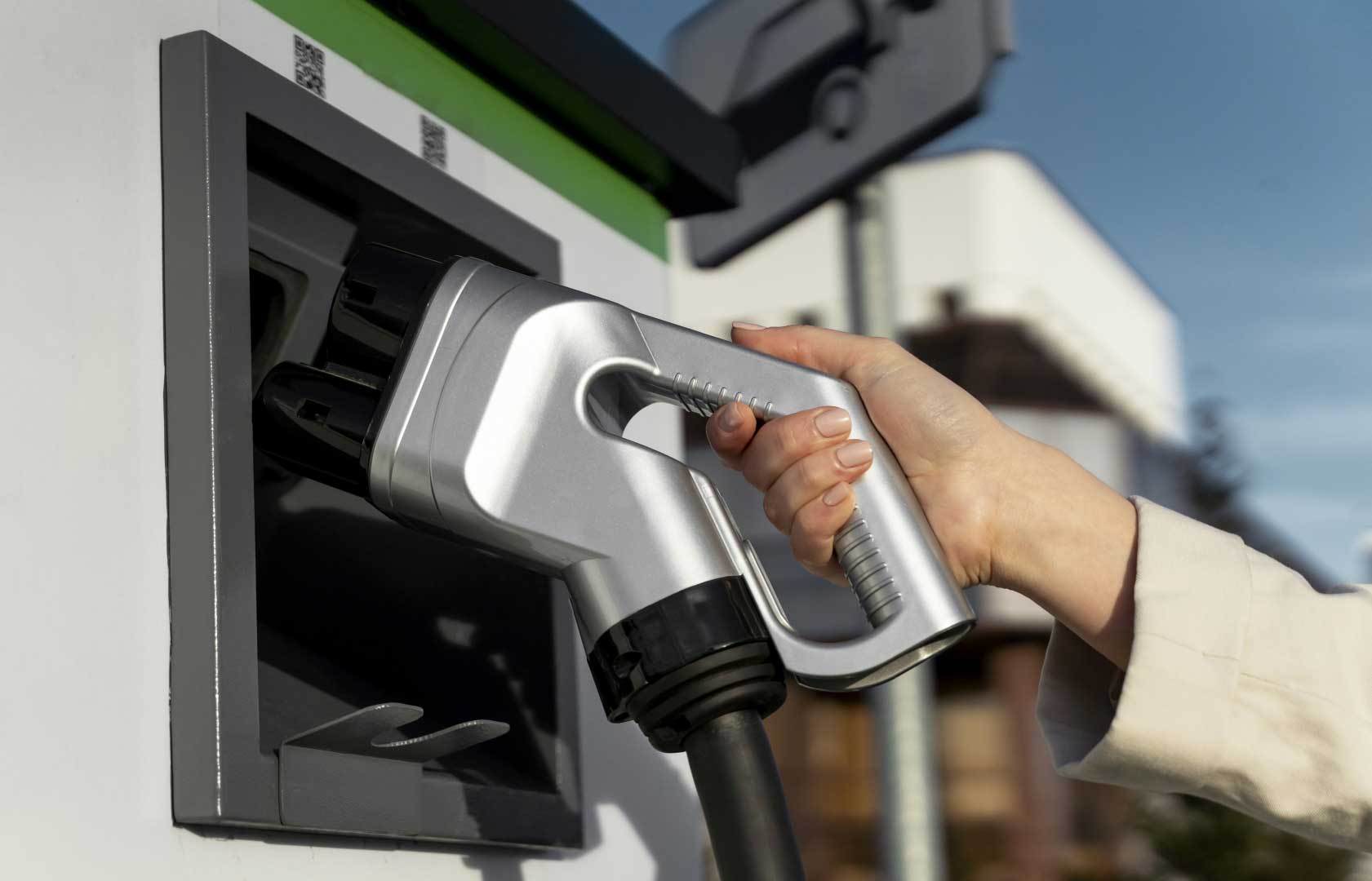
CNG
What is CNG?
Natural gas is a fossil-based, colorless, odorless, and lighter-than-air flammable gas. It is composed of various hydrocarbon components such as Methane (CH₄), Ethane (C₂H₆), Propane (C₃H₈), Butane (C₄H₁₀), Carbon Dioxide (CO₂), Nitrogen (N₂), Helium (He), and Hydrogen Sulfide (H₂S). During combustion, it does not produce ash or sulfur compounds, does not contribute to acid rain, and is considered environmentally friendly. Today, natural gas is used as a strategic and valuable energy source in residences, workplaces, public institutions, schools, healthcare facilities, factories, and hospitality facilities.
What is CNG (Compressed Natural Gas)?
CNG is obtained by compressing natural gas—sourced from the national pipeline network or city distribution systems—at approximately 200 bar pressure. CNG is an odorless, colorless, and non-toxic gaseous fuel.
Environmentally friendly, clean, and efficient, natural gas can be transported in the form of compressed gas (CNG) via specially designed cylinders to regions or facilities not connected to the pipeline network.
Advantages of CNG
✔ Environmentally Friendly: CNG helps reduce air pollution and contributes to a cleaner and healthier environment
✔ The Cleanest of All Fossil Fuels
✔ Low Maintenance Cost & High Production Quality: Natural gas usage reduces maintenance costs in industrial operations and enhances production quality
CNG vs. Fuel Oil Comparison
CNG does not require additional heating costs as fuel oil does
There is no fuel loss with CNG, whereas fuel oil transported in tankers may result in 2–3% fuel loss
CNG delivery is not vulnerable to external interference that could alter fuel density. For example, substances such as wax or marble powder may be added to fuel oil tankers before delivery, affecting density and creating opportunities for abuse
CNG systems do not require pipeline insulation or maintenance, eliminating extra operational expenses
CNG can be used as an alternative energy system. If needed, an LNG system can be added alongside. Naturelgaz can install a system that automatically switches between fuel sources
Mobile System and Portability
CNG setups can be relocated in approximately half a day, allowing continuous operations during workflow or land-use changes
For LNG systems, this process may take at least one week, and some LNG may be wasted during tank evacuation
High Efficiency of CNG
CNG offers up to 9% greater operational efficiency
At high consumption points (above 1,000 Sm³/hour), the vaporization rate of liquefied fuels may become inadequate, leading to lower gas pressure and reduced plant capacity
Experience from large-scale enterprises shows that a facility with a 240-ton-per-hour capacity can reach full output with CNG, while other fuels may limit production to 220 tons. (240 / 220 = 9%)
Natural Gas System Installation
Stage 1 and Stage 2 pressure reduction stations used in CNG systems are installed with consultancy services approved by the Energy Market Regulatory Authority (EMRA)
CNG Areas of Application
Industrial and Manufacturing Sector
Asphalt Plants
Food Industry Facilities
Construction Material Manufacturers
Chemical Plants
Mining Operations
Metal Industry Enterprises
Other Industrial Facilities
CNG is a clean, efficient, and economical energy solution for industrial and commercial enterprises