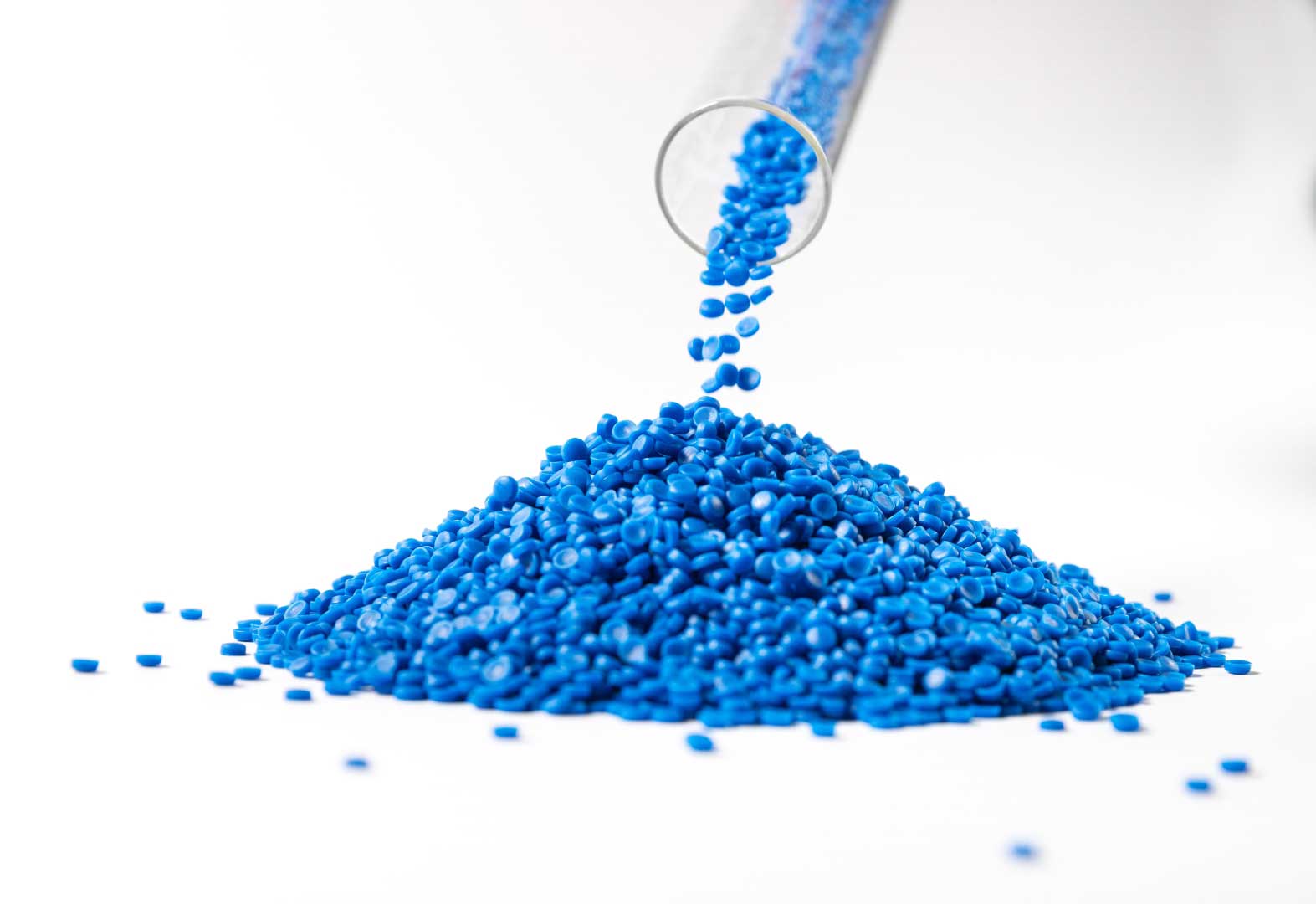
Polymers
Petrochemicals and Polymers: The Backbone of Modern Industry
Polymers are among the most indispensable materials in today’s modern world and stand as one of the most critical products of the petrochemical sector. With wide-ranging applications across both daily life and industrial use, polymers offer versatile solutions tailored to diverse needs through their varied chemical structures and types. But what exactly are polymers, and why are they so vital to the petrochemical industry? Let’s explore.
What is a Polymer?
Polymers are large molecules formed by the chemical bonding of smaller units known as monomers. These materials range from naturally occurring polymers (such as cellulose, rubber, and proteins) to synthetic polymers. Synthetic polymers are produced using raw materials derived from the petrochemical industry and are widely utilized in the manufacture of plastics, rubber, adhesives, and coating materials.
The Role of Polymers in the Petrochemical Industry
The petrochemical industry is the primary source for polymer production. Basic petrochemical components such as ethylene, propylene, and butadiene—derived from crude oil and natural gas—form the foundation of polymer manufacturing. These chemicals undergo specific processes to be converted into various types of polymers.
Key reasons why polymers are essential to the petrochemical industry include:
🔹 Production of Durable and Lightweight Materials: Polymers are lighter and more durable than traditional materials like metal and glass.
🔹 Cost Efficiency: Polymer production is generally low-cost and suitable for mass manufacturing.
🔹 Recyclability: Many polymers can be reused through recycling processes, supporting environmental sustainability.
🔹 Versatility and Flexibility: Polymers are used across a broad spectrum of industries, including electronics, automotive, construction, and healthcare.
Types of Polymers and Their Applications
Thermoplastics
These polymers become moldable upon heating and solidify when cooled. Examples include:
🔹 Polyethylene (PE): Used in plastic bags, pipes, and packaging materials
🔹 Polypropylene (PP): Found in textiles, automotive parts, and food containers
🔹 Polyvinyl Chloride (PVC): Common in water pipes, window profiles, and medical tubing
Thermosetting Polymers
These polymers harden when heated and cannot be remelted. Examples include:
🔹 Epoxy Resins: Used in adhesives, coatings, and composite materials
🔹 Polyurethane (PU): Found in foam insulation, furniture cushions, and shoe soles
Elastomers
Highly flexible polymers with elastic properties. Examples include:
🔹 Synthetic Rubber: Used in tires, gaskets, and hoses
🔹 Silicone: Applied in medical devices, kitchenware, and electronic insulation
The Future of Polymers and Sustainability
Due to the environmental impact of plastic waste, the development of biodegradable and recyclable polymers has become increasingly critical. The petrochemical industry is focusing on producing eco-friendly alternatives through bio-based polymers and recyclable plastic technologies. These advancements aim to make polymer production more sustainable and promote environmentally conscious manufacturing processes.